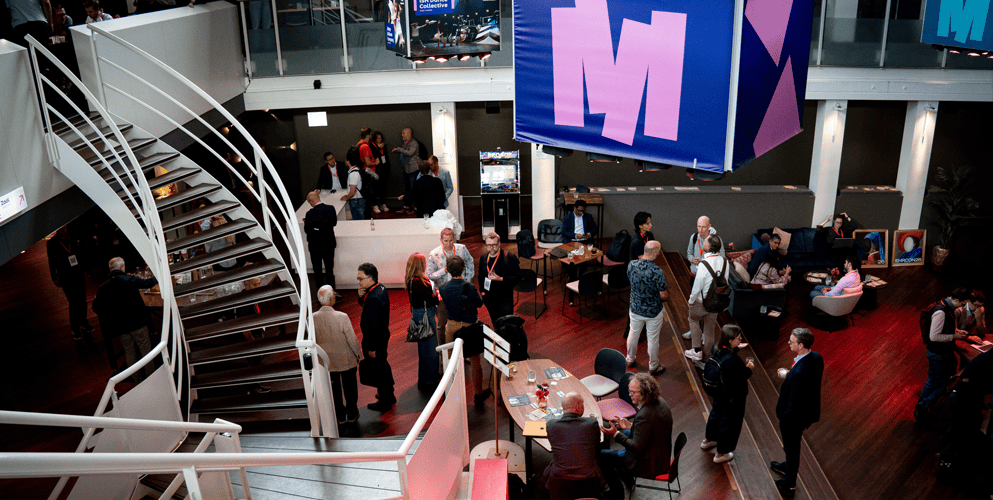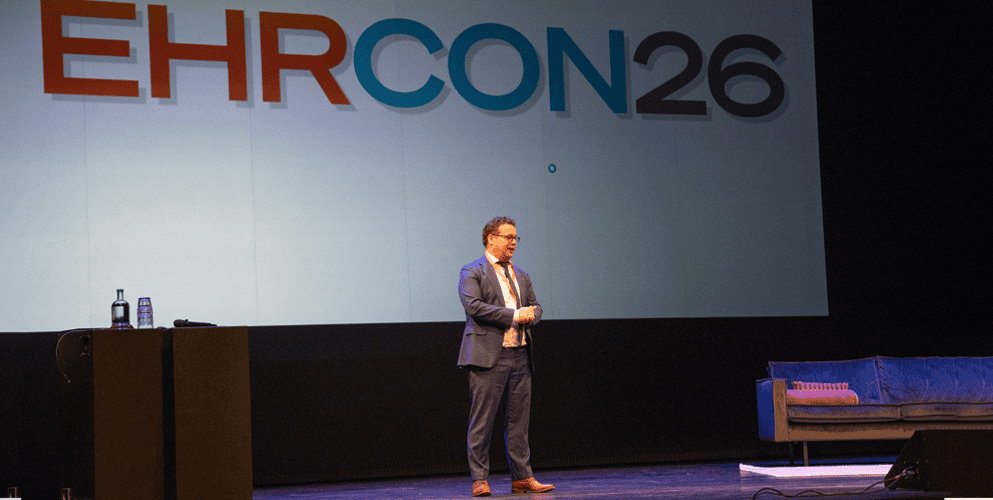

EHRCON26 was my third EHRCON. If there is one thing that appears to remain the same, it is that the event thrives in large part due to the community behind openEHR.
It is a rather unique bunch in many ways. That should perhaps not surprise anyone, seeing as the very standard is based on bringing together folks from different disciplines to tackle some enormous challenges. But even so, the mix of clinicians, developers, academics, policy makers and those more on the fringes of all that (such as yours truly) makes for a diverse group of attendees and a programme that reflects that.
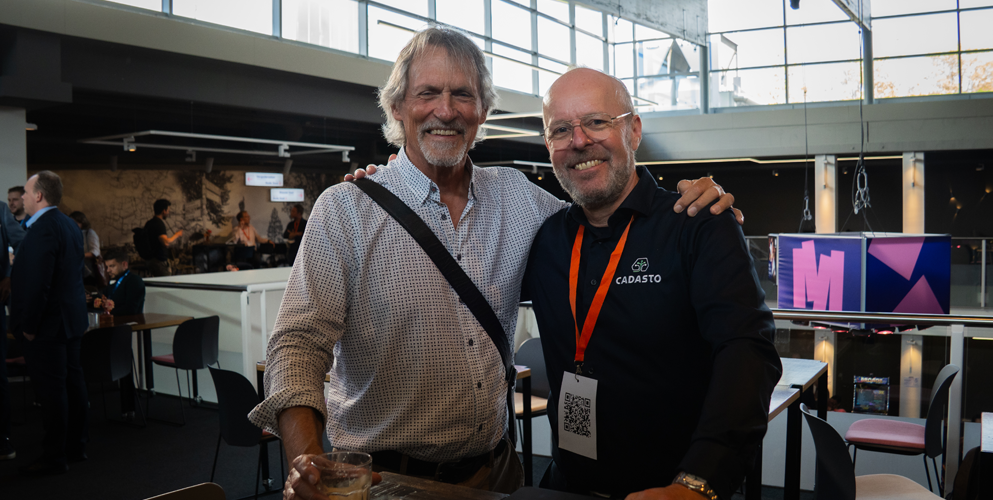
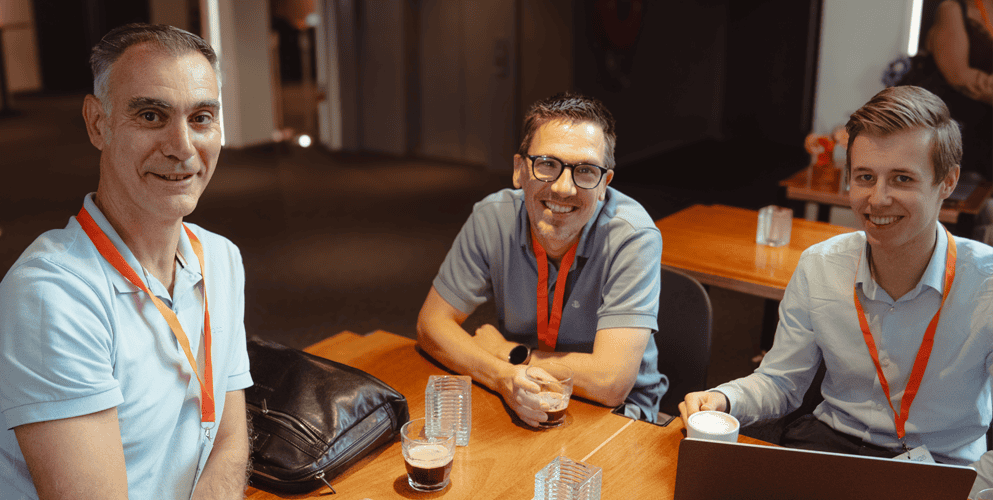
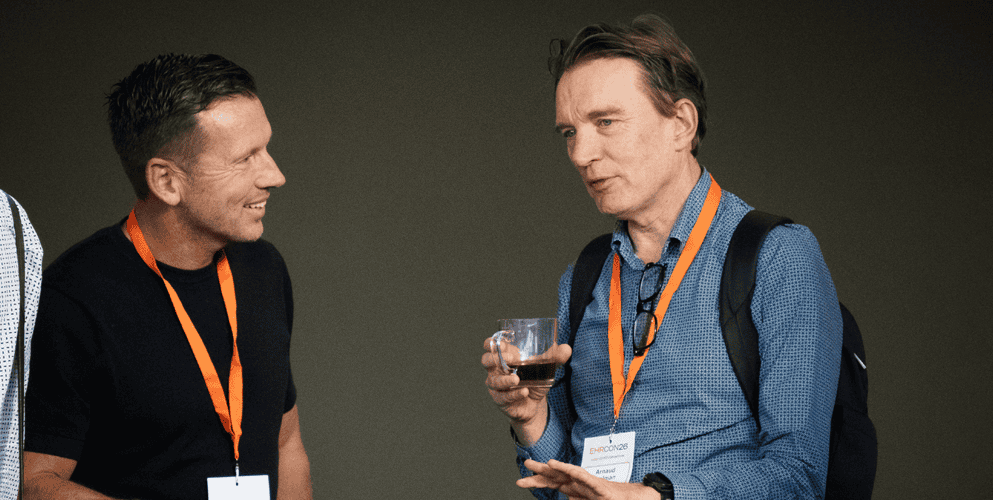
Diverse as it may be, it is great to see how it just works. Perhaps it is the fact that many of these people have worked together for years and known one another for longer – perhaps it is being united by a common goal. Who can say? The fact remains that, while EHRCON brings together over 300 people, there is a part of it that still feels cozy. Everyone is approachable, discussions flow freely during breaks and newcomers are enthusiastically welcomed into the fold.
Interestingly, openEHR is also increasingly maturing – it will be a worthwhile challenge to grow and professionalise further, while maintaining that specific sense of intimacy that also seems to be a driver for many of those people devoting a large part of their working life (and often voluntarily as well) to this community.
What Is Next?
We also saw a bit of a shift in the programme this year. While there were still plenty of sessions devoted to success stories and the ‘why’ of openEHR and even an openEHR 101 track to ease in newcomers, there were also quite a few that were looking ahead.
If we have ‘tackled’ the architecture discussion, what’s next?
One such topic was, what role should AI play in all this? Does the use of AI change the very nature of how the EHR is used? How do you make sure that AI does not simply replicate problems that have not yet been solved? The panel on ‘the Next Generation EHR’, brought together vendors, doctors and researchers to discuss these questions. As one of the clinicians in the panel said: “AI does not need more data, it needs better defined clinical meaning.”
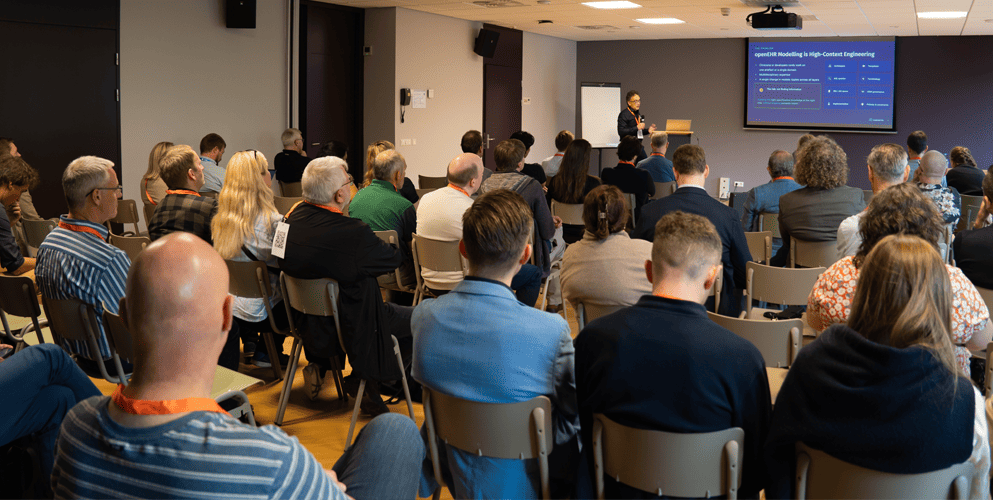
Beyond that, our Founder and Architect Sebastian Iancu gave a presentation on using AI tooling in tandem with the openEHR Specifications. How can AI speed up development while working within the framework of the openEHR specifications? Spec-driven development! If you are interested in this but were not able to attend EHRCON26, stay tuned – Sebastian aims to present a webinar about this topic before the end of the year.
From Building to Stewarding
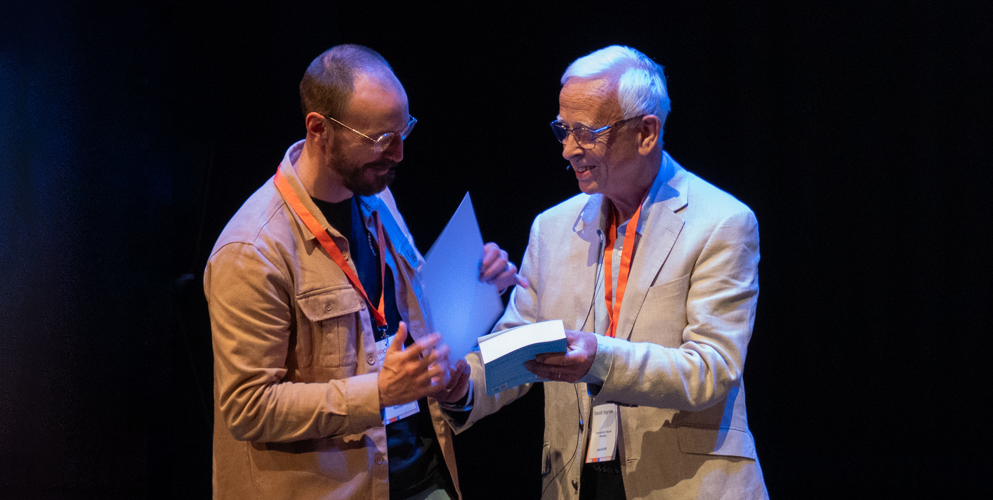
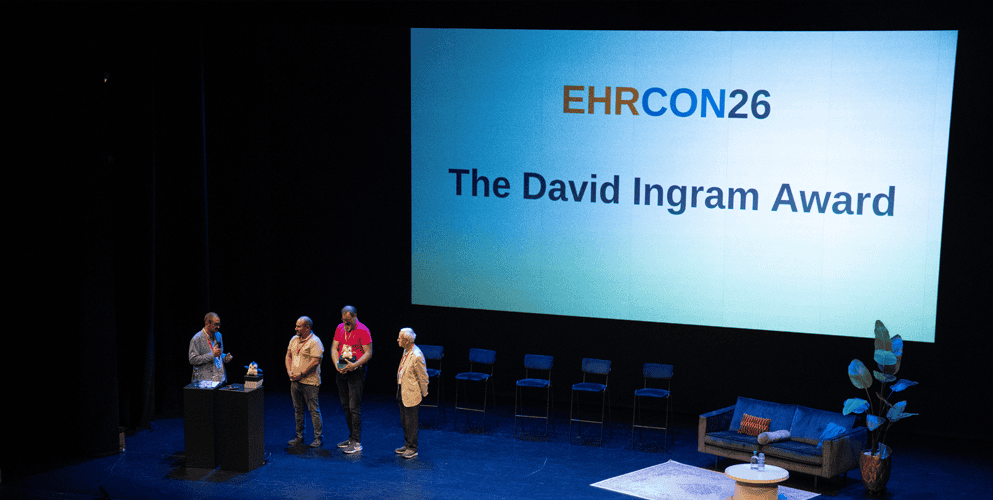
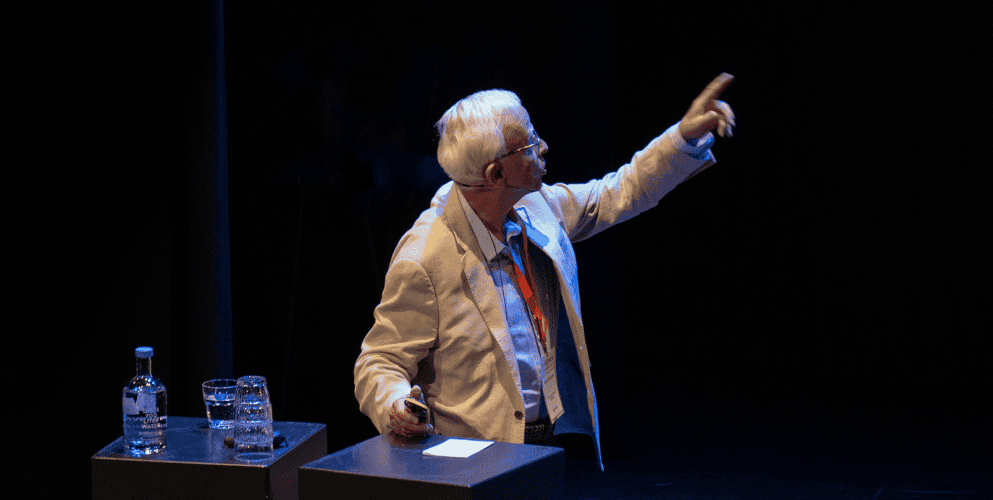
One word that was used often was ‘ecosystem’. The talk by Professor David Ingram summarised the thinking behind the use of that term: using the invention of the steam engine as a metaphor, he discussed how today’s greatest inventions have rarely been done by individuals, but rather by entire ecosystems of people working together.
The next step then? Stewardship. Referring to the Japanese art of kintsugi, where broken pottery is repaired with gold to show the beauty of imperfection, Professor Ingram said: “Perfection is not the goal. Stewardship is.” The goal is no longer to build openEHR, but to steward it.
So what should that entail? As defined in the Merriam-Webster, stewardship is: “the careful and responsible management of something entrusted to one’s care”. In the case of openEHR, I would interpret this as protecting that which has been built and building governance and furthering the ecosystem around that.
What We Do It For
I wanted to end this little report by referring to the research presented by Rachel Fellner (OECD). It was one of my favourite sessions of the entire conference, simply because it gave some very clear insight in the concrete potential of improved interoperability.
In short, based on data from 22 participating countries, the OECD reported:
- 17,5% of healthcare costs come from diagnostic errors.
- Patient trust reduces by 15% when they need to repeat their health information.
- 81,5% of healthcare providers said that inadequate interoperability was a potential risk to patient safety.
You can download the full report here.
I think it is worthwhile to keep all this in mind when we look ahead to where openEHR can go next, where we should or should not pivot. These challenges have not yet been solved. There is still a lot of work to be done and in order for it to get done, we need governing bodies, different Standards Developments Organisations, vendors, education, etcetera, all working together.
On to EHRCON27!
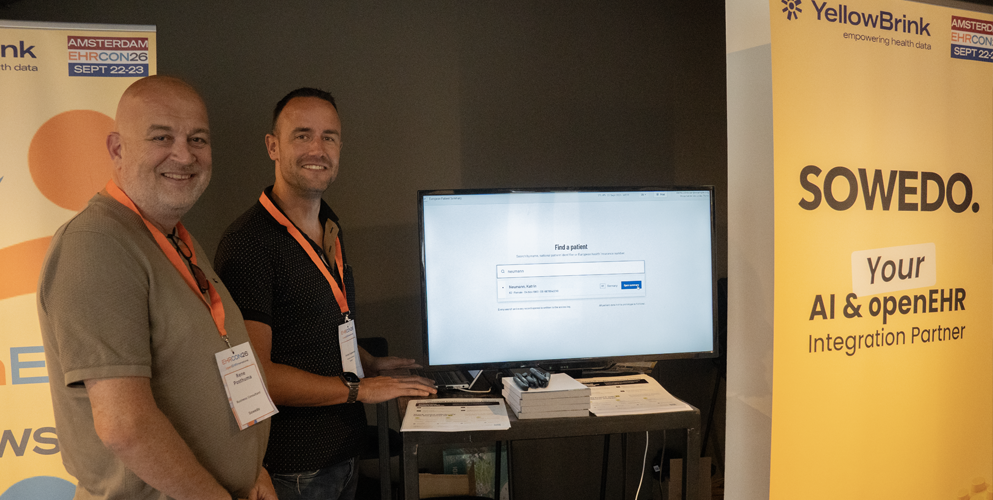
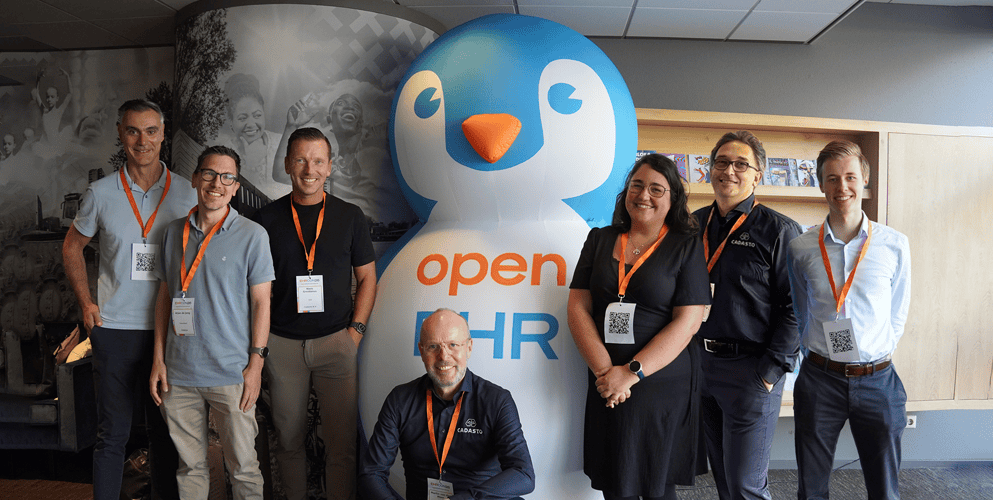
It was wonderful to share the experience of EHRCON with a larger part of our team this year. We were happy to contribute to the programme (besides the session by Sebastian, Martin van der Meer presented at the openEHR 101 track and yours truly took part in the Marketing Panel) and to be part of the YellowBrink ‘Brink’ together with quite a bunch of other organisations.
We are already looking forward to next year – where will EHRCON27 go next? 🙂
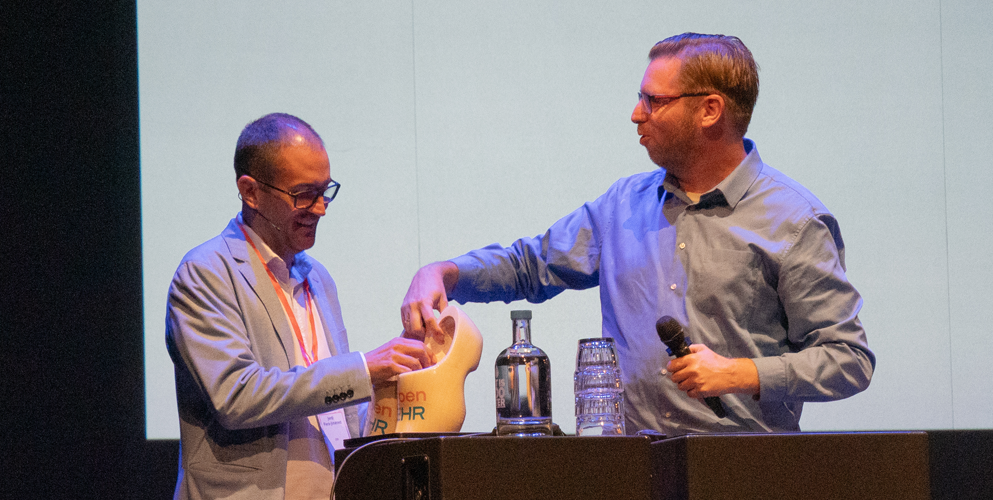
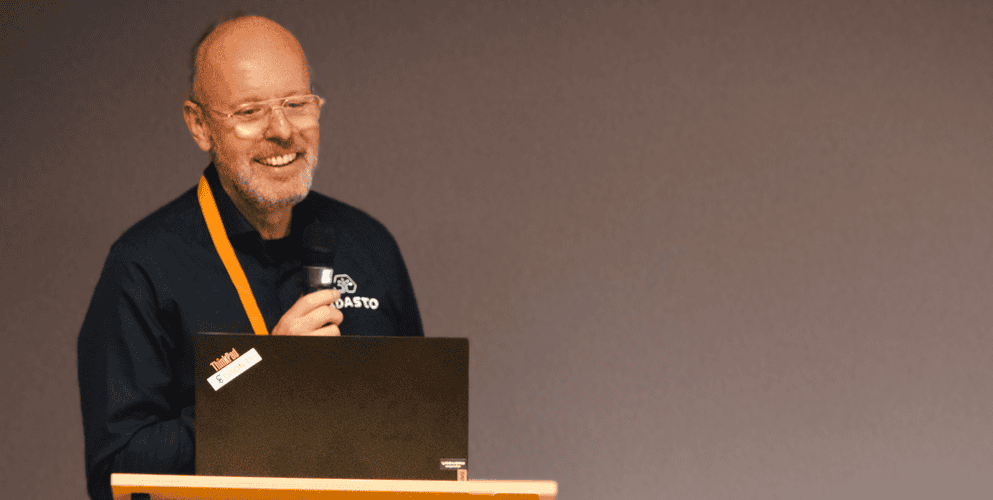
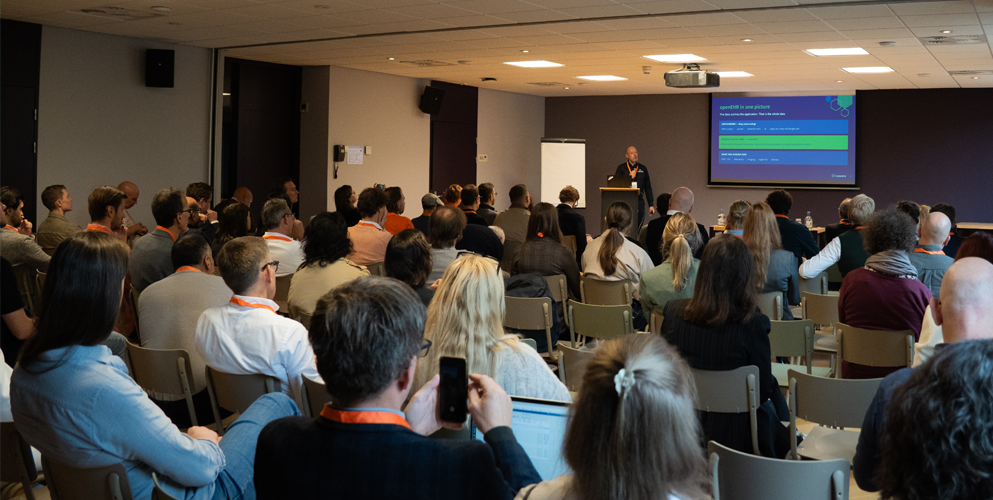
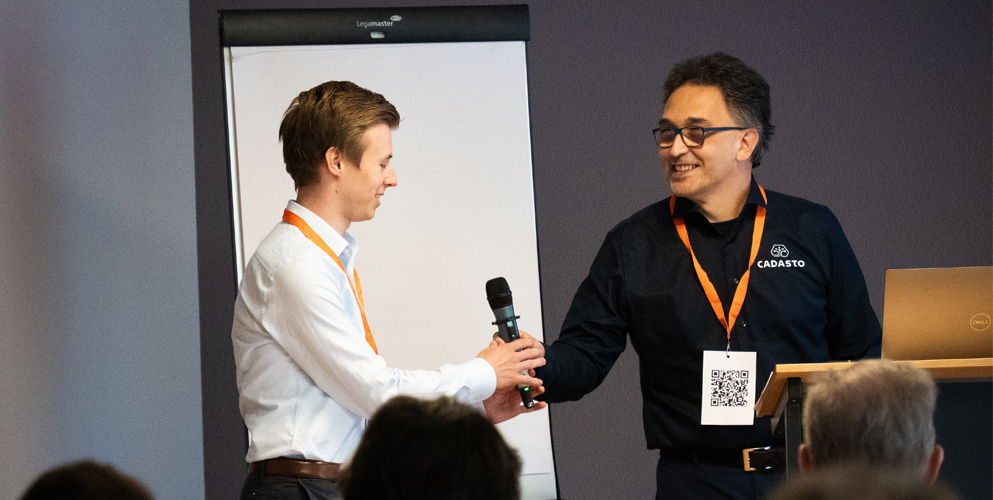
Click through the photos below for some more impressions of what we have seen at EHRCON!